


Whoa! I still get a little buzz when numbers line up the way they’re supposed to. My first impression: portfolio tracking should be simple. Seriously? It rarely is. Over the years I’ve built mental shortcuts for spotting when somethin’ is off — and those shortcuts matter more than you’d think when you’re interacting with contracts on mainnet.
Here’s the thing. Portfolio tools promise clarity, but most hide the messy plumbing. Medium-level dashboards show totals, but they gloss over gas, slippage, and pending approvals. On one hand, a single aggregated number is comforting; though actually, it masks risk. Initially I thought that a single “net worth” was enough, but then I realized you need transaction-level visibility to trust that number.
Hmm… I remember an afternoon where a faucet hiccuped. My instinct said “check the contract flow” before refreshing the UI. I was right. That quick gut check saved me from a failed swap that would’ve eaten 40% of a tiny position in fees. Fast reactions are useful; slow analysis tells you why they happened.
Short story: not all wallets are created equal. Wallets differ in UX and in their ability to simulate transactions. Some wallets show a preview; others just throw you into a gas estimate roulette. If you’re doing DeFi seriously, you want both simulation and clear, auditable history. You want to see the state changes that will happen before they happen.
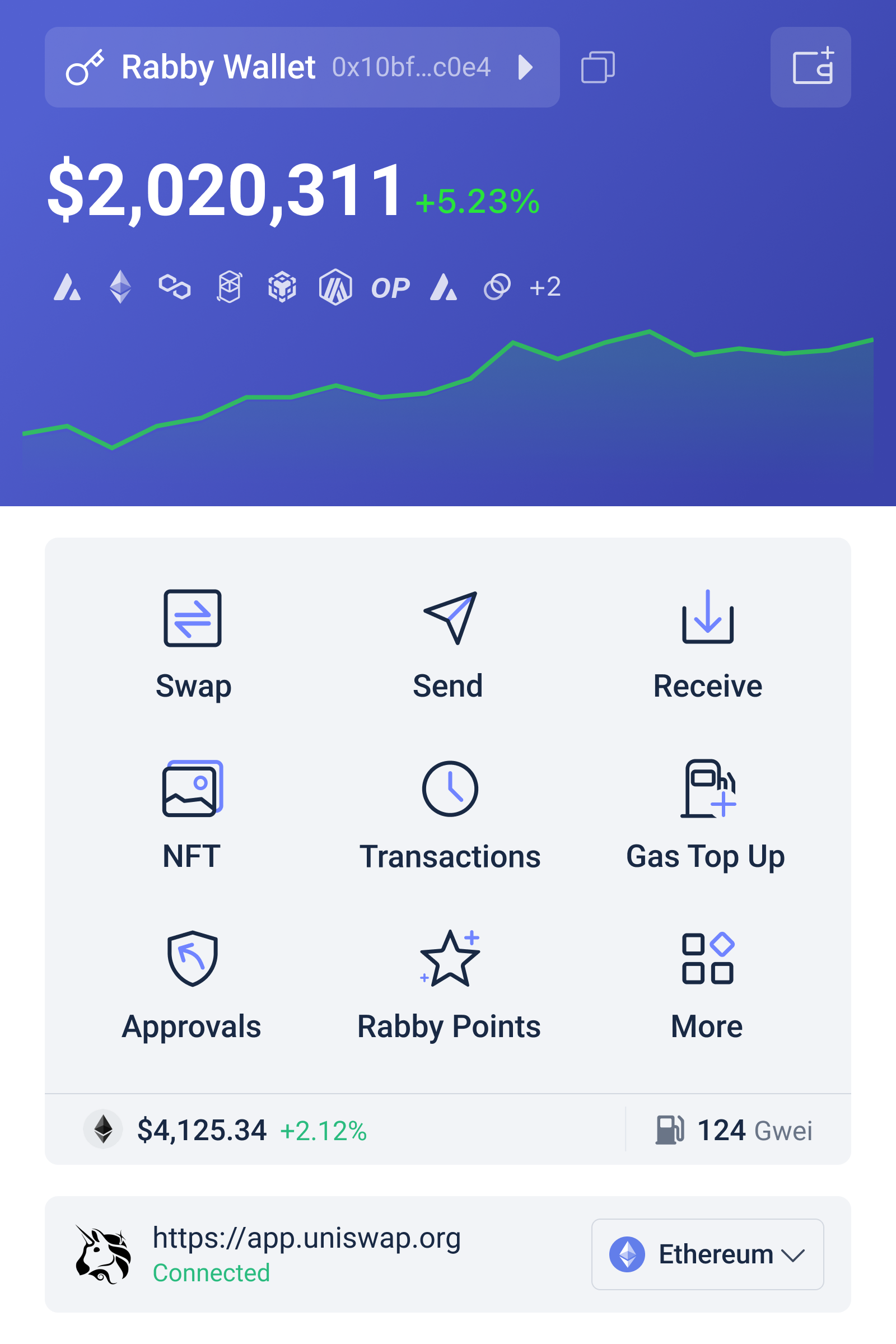
What I look for in a portfolio tracker and contract UI
Really? This list is deceptively simple. First: transaction simulation. Second: granular balance history by token and by contract. Third: permission and approval management that doesn’t hide behind menus. Fourth: clear gas and slippage breakdowns. And a bonus: local signing that makes you feel in control, not like a passenger.
Honestly, I like tools that force you to inspect. My hands-on approach reminds me of old-school sysadmin days — if you can break something, you should be able to see why. That mentality is exactly why I keep coming back to wallets that combine simulation with visibility. I’m biased, but it bugs me when a wallet markets “security” yet buries approvals three menus deep.
Okay, so check this out—there’s a wallet that puts those priorities front and center. It simulates transactions and renders state diffs before you sign. You get to see token flows and allowances in plain English alongside hex data. That kind of transparency turns a blind signature into an informed consent. No wonder active DeFi users gravitate toward it.
I’m not naming names yet — but the link below will show you the tool I mean. My experience with it started from annoyance and became appreciation. Initially I thought it was another wallet with pretty UI, but then I actually used its simulator, and wow — the difference was night and day. That moment changed how I interact with contracts.
Simulating transactions isn’t just about confirming success or failure. It’s about predicting side effects. Will this swap route touch a token that has a transfer fee? Will a zap contract pull liquidity in a way that leaves dust? Simulations surface those weird edge cases. And when a wallet displays pre-signed approvals clearly, you can revoke them without guesswork.
On the technical side, simulation means re-executing the call against a node or a forked state to show return values, event logs, and balance deltas. Long explanation short: you want to see events and storage changes. Seeing the ERC-20 transfer events before a swap commits is calming. It reduces surprises — which, in DeFi, are often expensive.
Something else: portfolio tracking should reflect realized vs unrealized P&L distinctly. Many dashboards mix them up and that clouds decisions. If you harvested yield or comped rewards, show that separately. If a smart contract is holding your tokens for a basket or strategy, list the contract-level balances too. Granularity matters when you’re rebalancing.
On one hand, constant notifications help. On the other, too many pings make you ignore the important ones. I’m still negotiating that balance — and so will you. Tools that let you filter alerts by contract risk and token size help cut the noise. This is one area where wallets with deep UX thinking stand out.
If you’re curious, try playing with simulated trades on testnet first. Seriously? Yes. Use small amounts on mainnet only after the simulator’s output matches your expectations. My rule of thumb: if the simulation reveals unexpected calls or approval expansions, don’t proceed. Trust but verify — like old scouts always said.
Also: approvals. This part bugs me more than it should. Approving max allowances across dozens of contracts is a slow-motion security fail. Approvals tie into portfolio tracking too, because a compromised dApp with an allowance can drain your tracked balances fast. Prefer tools that let you set granular allowances or present approvals in a clear timeline.
I’ll be honest: revocation UIs are getting better, but not great. Some wallets make revoking allowances a chore. Others only surfacely show that you gave permission, without a one-click revoke. The wallet I keep recommending lists every approval, sorts by risk, and offers revoke actions in-line. That feels proactive, not reactive. It saves time and stress.
My instinct said to trust only open-source tools, though actually, wait—let me rephrase that. Open-source is a big plus, but execution matters more. A closed but well-audited product with transparent transaction previews can be better than an open codebase with zero UX for safety. On that spectrum, tools that combine both transparency and usability are rare and valuable.
Here’s a practical workflow I use: simulate → inspect events → confirm allowances → sign. Short, methodical, boring, and effective. If a wallet supports in-line simulation and shows you exactly which function is called and which storage slots change, you cut down mistakes. You also stop blaming the market for what was a tooling oversight.
Check this: when you run batched operations, some wallets collapse the batch into a single line item. That’s useless. I want each action split so I can confirm each leg. This is especially true for strategies that zap across AMMs and lending markets. Seeing per-leg gas and slippage is calming; it builds trust.
Sometimes I get too deep into the weeds. (oh, and by the way…) I like transaction graphs that show routing between pools. I’m nerdy that way. But the point stands — visual diffs and path graphs help catch rogue behavior. A visual cue is faster than poring over hex logs at 2am.
Want to test a wallet? Do this: send a tiny amount through a multi-hop swap, simulate it, and then replay the tx locally if the wallet allows. If the outputs match, bump up. If they don’t, pause. It’s simple, but very very important. Your future self will thank you for the habit.
Okay, final thoughts. DeFi is messy. Smart contracts are powerful and flawed in equal measure. The right wallet is your interpreter and bodyguard. It should show you both the forest and the trees — the aggregated portfolio view plus the contract-level transaction diffs — so you can make decisions with context. If you want to see a wallet that tries to do those things well, check out rabby and poke around.
FAQ
How often should I simulate transactions?
Every time you execute a new contract interaction or when swapping unfamiliar tokens. Simulate swaps, zaps, and multi-step strategy transactions. It only takes a moment and often surfaces hidden calls or fee-on-transfer tokens.
Do simulations guarantee success?
No. Simulations run on current node state and can’t predict mempool re-orgs or front-running. But they greatly reduce surprises by showing function calls, events, and token deltas before you sign.
Can I track contract-held assets in my portfolio?
Yes — good trackers attribute tokens to contracts and to your address separately. That distinction helps when rebalancing or auditing a strategy. If a tool hides contract-level balances, treat its portfolio totals with caution.